
Exterior Wash & Drying
The foundation of vehicle maintenance is removing dirt safely.
Why the Method Matters
The majority of visible swirl marks and light scratches on modern vehicles are inflicted during the washing and drying process. Urban parking, motorway dirt, and typical UK weather mean vehicles accumulate highly abrasive grit. Dragging a sponge over this grit damages the clear coat.
Our Approach to Washing
1. Wheels First
Alloy wheels, tyres, and wheel arches gather brake dust and heavy road grime. We address these areas first using dedicated wheel cleaners and varied brush sizes to prevent this heavy contamination from splashing onto clean paintwork later.
2. The Pre-Wash Stage
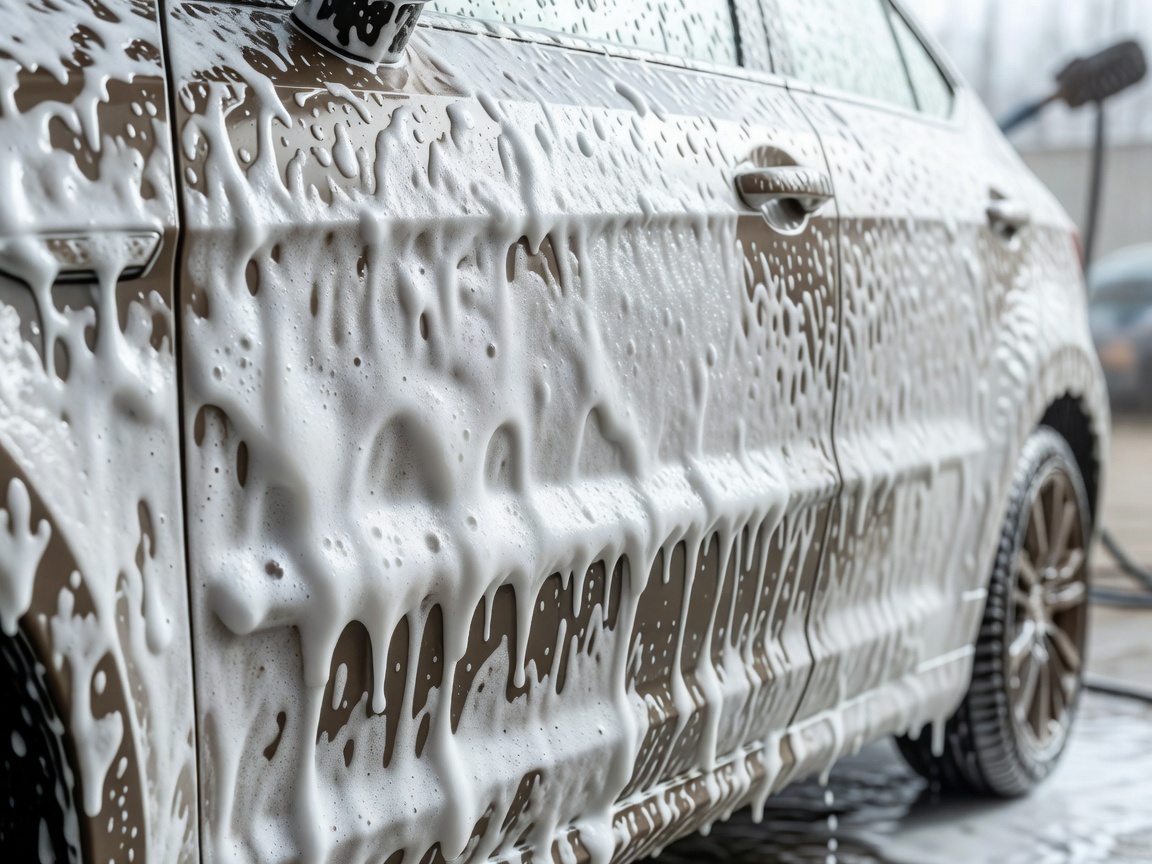
Before making physical contact with the paint, we apply citrus pre-cleaners and snow foams. These dwell on the surface, breaking down traffic film and softening larger dirt particles so they can be rinsed away safely.
3. The Contact Wash
We utilise plush microfibre wash mitts and multiple buckets (separating wash solution from rinse water). Working from top to bottom ensures that the dirtiest areas (sills and lower panels) are addressed last, reducing cross-contamination.
4. Safe Drying
Drying a vehicle with rough materials can be as damaging as poor washing. We use heavy-weight, absorbent microfibre drying towels and, where appropriate, forced air to clear water from crevices, grilles, and mirror housings. This helps prevent water spotting, particularly in hard-water areas.
Inspection & Advice
Following a wash, the true condition of the paint is revealed. Recommendations for further decontamination or protection layers depend entirely on this visual inspection. Enquiries for regular maintenance washing are always welcome via our contact form.
Request an inspection